Residential Plot Maintenance After Purchase: Owner Checklist
Residential Plot Maintenance After Purchase covers boundaries, vegetation, drainage, records, security and periodic inspections. Use this owner checklist.
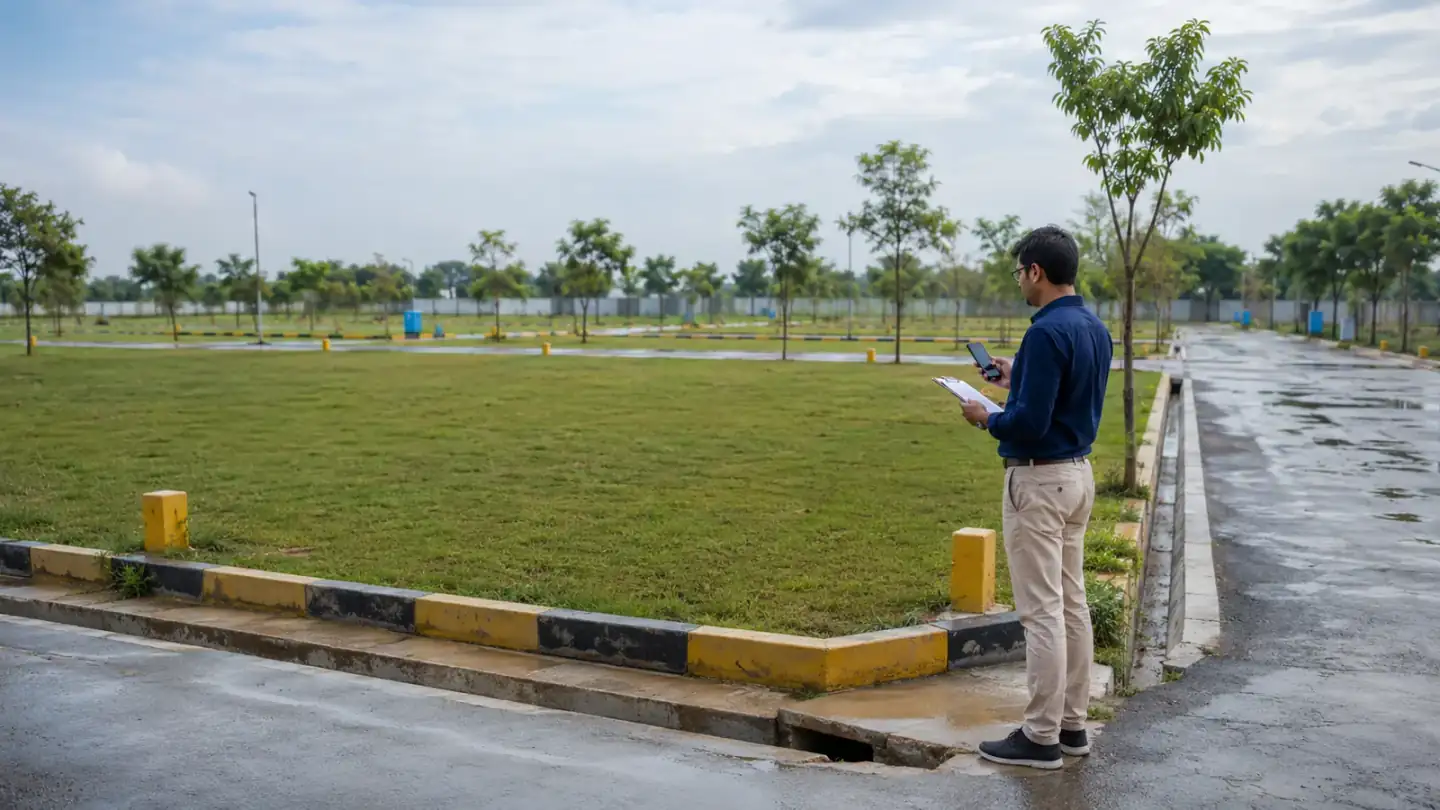
Table of Contents
Residential Plot Maintenance After Purchase begins once registration and handover are complete. A vacant plot may not need daily attention, but leaving it entirely unchecked can allow vegetation, waste, drainage obstruction, marker damage or unauthorised use to go unnoticed.
A simple routine protects practical usability and keeps records organised for future construction, resale or family planning. The appropriate steps depend on the project's maintenance system, local rules, plot condition and how soon the owner intends to build.
Quick Summary
- Confirm handover details and preserve all documents.
- Inspect boundaries and access periodically.
- Control vegetation without damaging neighbouring land.
- Keep drainage paths and the road edge clear.
- Document the plot condition with dated photographs.
- Check applicable local and project maintenance rules.
Start Residential Plot Maintenance After Purchase With Records
Create one physical and one secure digital file containing the registered document, link records, layout plan, survey information, payment receipts, possession or handover records, tax or assessment documents where applicable, and correspondence about maintenance.
Use clear filenames and keep backup access with a trusted family member. A good land maintenance checklist includes documents because physical care and ownership records support each other.

Confirm Boundaries and Markers
Inspect the corner stones or approved markers recorded at handover. Do not move them or replace a missing marker by estimation. If a boundary is unclear, use professional demarcation before installing fencing or starting construction.
Our boundary wall planning guide explains how surveying, permissions, drainage and neighbour coordination should come before permanent work.
Manage Vegetation Responsibly
- Remove invasive growth before it becomes difficult to manage.
- Avoid burning dry vegetation.
- Do not allow cleared material to block roads or drains.
- Protect any trees that must be retained under applicable rules.
- Use insured or competent workers for risky cutting.
The frequency of vacant plot upkeep depends on rainfall, soil and surrounding growth. Avoid unnecessary clearing that increases erosion or dust.
Residential Plot Maintenance After Purchase Inspection Routine
- Walk all four sides.
- Check markers, fencing and signage.
- Look for dumped material or informal access.
- Observe drainage after heavy rain where possible.
- Photograph the same corners from consistent positions.
- Record the date and any corrective action.
Protect Drainage and Ground Levels
Do not fill or excavate the plot without understanding drainage, road level and future building requirements. Keep visible water paths free from waste. If erosion, standing water or runoff from adjoining land appears, consult the project team and an engineer rather than attempting an improvised diversion.
Read the residential drainage planning guide before making level changes.

Discourage Unauthorised Use
Use lawful, proportionate measures such as clear ownership signage, approved fencing where permitted, periodic visits and communication with the project maintenance or security team. Do not create hazards with sharp materials, unsafe pits or electrical arrangements.
If you notice occupation, dumping or a disputed boundary, document the condition and seek professional advice promptly. Avoid confrontation or self-help actions that could worsen the issue.
Understand Project and Local Responsibilities
Clarify which areas are maintained collectively and which remain the owner's responsibility. Internal roads, common landscaping, drainage, security and vacant-plot cleaning may be handled differently across projects.
For land-record access relevant to Telangana, owners can consult the official Bhu Bharati portal. For public civic services or applicable property obligations, use the concerned local body's official channel. Rules vary by jurisdiction, so avoid relying on generic social-media advice.
Keep Ownership Details Current
- Preserve the registered deed and certified copies.
- Complete applicable post-registration record updates.
- Keep address and contact details current where required.
- Pay applicable taxes or maintenance charges by official methods.
- Retain receipts and acknowledgements.
- Review nomination, succession or family-document planning with a professional.
This administrative work is part of responsible residential land management.
Prepare Gradually for Construction
Before construction, obtain a fresh survey, soil investigation, architectural plan and applicable permissions. Do not assume that an old boundary check or preliminary concept is enough.
The soil testing guide explains why foundation decisions should follow site-specific professional investigation.
A Practical Inspection Frequency
There is no universal schedule. An owner living nearby may inspect more often, while an NRI or outstation owner may appoint a trustworthy local professional. Increase checks after heavy rain, nearby construction, road work or any reported boundary issue.
A consistent plot owner routine is more useful than frequent visits with no record. Each inspection should have a checklist, photographs and follow-up.
Frequently Asked Questions
Should I build a boundary wall immediately?
Not automatically. Confirm boundaries, permissions, drainage and construction plans before permanent work.
Can I leave a vacant plot unattended?
Periodic inspection is advisable so changes in access, vegetation, drainage, markers or use are noticed early.
Should I level the plot after purchase?
Only after professional advice on road level, drainage, soil and future construction. Unplanned filling can create problems.
What records should I keep?
Keep registration, title, layout, survey, payment, maintenance, tax and inspection records relevant to the property.
Final Thoughts on Residential Plot Maintenance After Purchase
Residential Plot Maintenance After Purchase does not need to be complicated. Consistent post-purchase plot care means preserving records, checking boundaries, managing vegetation, protecting drainage, discouraging unauthorised use and preparing responsibly for future construction. A modest documented routine can keep the property understandable, accessible and ready for the owner's next step.
Explore Premium Projects
Related Blogs
Plot Site Visit Checklist: What to Inspect Before You Decide
A structured site visit helps plot buyers connect maps and documents with actual access, boundaries, infrastructure and surroundings.
Boundary Wall Planning for Residential Plots
Plan a compound wall only after considering verified plot boundaries, road level, gate access, drainage and the future building layout.
Rainwater Drainage Planning in Residential Layouts
Learn how road gradients, plot levels, drains and discharge paths work together to manage rainwater in a residential plotted layout.
Looking for DTCP & RERA Approved Plots?
Explore premium plotted developments by Sri Supraja Infracon across Hyderabad growth corridors.