Sri Supraja InfraconBuilders & Developers
HomeAbout
Projects
BlogContact Us
WhatsAppCall Now

Sri Supraja Infracon

Builders & Developers

Sri Supraja Infracon develops DTCP & RERA approved open plots, villa plots and premium plotted developments near Hyderabad growth corridors including Kamkole, Sangareddy, Mominpet and Indrakaran.

f◎in▶

Quick Links

  • Home
  • About Us
  • Projects
  • Contact Us
  • Blog

Our Projects

  • Supraja IRIS
  • Bridge County
  • Sindhu Sarovar
  • Subhash Meadows

Contact Information

📞+91 90529 96161
✉support@srisuprajainfracon.com
📍

H.No. 4-91, Above Parampara Mithai,
Chandanagar, Hyderabad – 500050

© 2026 Sri Supraja Infracon. All Rights Reserved.

Privacy PolicyTerms & ConditionsDisclaimerCookie Policy
Home / Blog / How to Verify Land Ownership Before Buying a Plot

Table of Contents

Quick SummaryTable of ContentsWhy Land Ownership Verification MattersUnderstand the Chain of TitleCheck the Title Deed and Sale DeedWhy Title Deed Verification Is ImportantReview Link Documents and Registration HistoryCheck the Encumbrance CertificateVerify Survey Number, Boundaries, and ExtentPhysical Site VerificationCheck Revenue and Mutation RecordsConfirm Seller AuthorityRed Flags in Land Ownership VerificationStep-by-Step Land Ownership Verification ChecklistHow This Guide Connects With Your Buying JourneyFrequently Asked QuestionsHow do I verify land ownership before buying a plot?Is title deed enough to confirm ownership?Why is encumbrance certificate important?What is a survey number in land records?Should I check boundaries before buying a plot?Can I buy land through power of attorney?Should I take legal advice before buying a plot?Final Thoughts on How to Verify Land Ownership Before Buying a Plot
Legal Guide•27 June 2026•12 min read

How to Verify Land Ownership Before Buying a Plot

By Sri Supraja Infracon Editorial Team•Last updated: 27 June 2026

Learn how to verify land ownership before buying a plot. Check title deed, sale deed, EC, survey number, revenue records, boundaries, and seller authority.

How to Verify Land Ownership Before Buying a Plot

Table of Contents

Quick SummaryTable of ContentsWhy Land Ownership Verification MattersUnderstand the Chain of TitleCheck the Title Deed and Sale DeedWhy Title Deed Verification Is ImportantReview Link Documents and Registration HistoryCheck the Encumbrance CertificateVerify Survey Number, Boundaries, and ExtentPhysical Site VerificationCheck Revenue and Mutation RecordsConfirm Seller AuthorityRed Flags in Land Ownership VerificationStep-by-Step Land Ownership Verification ChecklistHow This Guide Connects With Your Buying JourneyFrequently Asked QuestionsHow do I verify land ownership before buying a plot?Is title deed enough to confirm ownership?Why is encumbrance certificate important?What is a survey number in land records?Should I check boundaries before buying a plot?Can I buy land through power of attorney?Should I take legal advice before buying a plot?Final Thoughts on How to Verify Land Ownership Before Buying a Plot

How to Verify Land Ownership Before Buying a Plot

How to verify land ownership before buying a plot is one of the most important questions every buyer should ask before paying a booking amount. A plot may have a good location, attractive price, wide road, and promising future value, but the investment is only safe when the ownership is clear and legally transferable.

In real estate, ownership is not confirmed by a brochure, site visit, sales promise, or layout drawing. Ownership must be verified through documents, registration history, revenue records, survey details, encumbrance certificate, and the authority of the seller. If any of these are unclear, the buyer should pause and verify before moving forward.

This complete guide explains how to check land ownership, what documents to verify, what red flags to watch for, and how plot buyers in Telangana can approach property verification with more confidence.


Quick Summary

  • Do not buy a plot until the seller's ownership is verified.
  • Check the title deed, sale deed, link documents, and encumbrance certificate.
  • Confirm the survey number, extent, plot number, and boundaries.
  • Verify whether the person selling the plot has legal authority to sell.
  • Compare documents with the actual site and approved layout plan.
  • Use official records and professional legal advice where required.
  • Never rely only on verbal promises or photocopies without review.

Table of Contents

  • Why Land Ownership Verification Matters
  • Understand the Chain of Title
  • Check the Title Deed and Sale Deed
  • Review Link Documents and Registration History
  • Check the Encumbrance Certificate
  • Verify Survey Number, Boundaries, and Extent
  • Check Revenue and Mutation Records
  • Confirm Seller Authority
  • Red Flags in Land Ownership Verification
  • Step-by-Step Land Ownership Verification Checklist
  • Frequently Asked Questions
  • Final Thoughts

Why Land Ownership Verification Matters

Buying land is different from buying a finished property. In a finished property, buyers often focus on construction quality, amenities, and possession. In a plot purchase, the first layer of safety is ownership clarity. If the ownership is unclear, every other benefit becomes secondary.

A buyer may visit a beautiful plotted development and feel confident because the roads, entrance, markings, and surroundings look good. But the legal strength of the investment depends on whether the seller owns the land, whether the ownership chain is complete, whether the land is free from registered liabilities, and whether the plot being sold matches the official records.

Land ownership verification protects buyers from disputes, duplicate sales, unclear inheritance claims, mortgage issues, boundary mismatch, and future resale complications. It also helps families, first-time buyers, and NRIs avoid decisions based only on presentation or urgency.

Did You Know? Many land-related issues do not start at the time of purchase. They appear later during resale, construction, registration correction, loan processing, or family transfer. Careful ownership verification before buying can prevent those future problems.


Understand the Chain of Title

The chain of title is the legal history of land ownership. It shows how the property moved from one owner to another over time. When buyers ask how to verify land ownership before buying a plot, understanding the chain of title is one of the first steps.

A clean ownership chain should show continuous and legally valid transfers. If the land moved from Owner A to Owner B, then Owner B to Owner C, and then to the current seller, each step should be supported by proper documents.

Buyers should check:

  • Who originally owned the land?
  • How did the current seller acquire the land?
  • Are previous sale deeds available?
  • Are all transfers registered?
  • Is there any missing document in the ownership chain?
  • Are names, survey numbers, and extents consistent across documents?

If there is a missing link in the chain, do not ignore it. Sometimes there may be a valid explanation, but it should be reviewed by a property lawyer before payment.

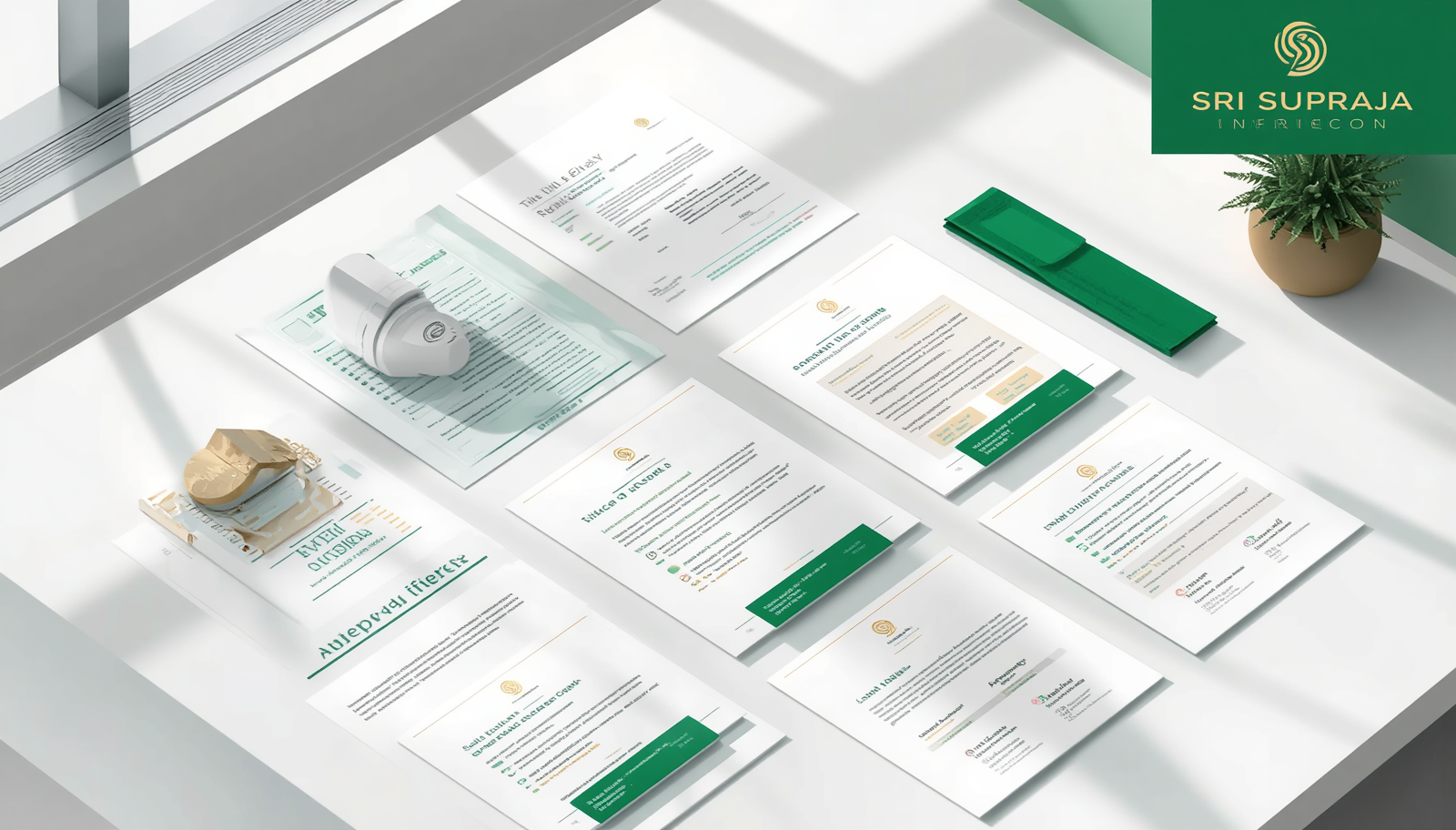
Land title verification checklist before buying a residential plot

Check the Title Deed and Sale Deed

The title deed confirms ownership rights, while the sale deed records transfer of ownership from one party to another. These two documents are central to any plot ownership verification process.

When checking the title deed, confirm whether the seller has a clear and marketable title. The name of the owner, land description, survey number, extent, boundaries, and nature of ownership should be consistent with other records.

When checking the sale deed, pay close attention to:

  • Buyer and seller names
  • Document number and registration date
  • Survey number and land extent
  • Boundaries mentioned in the deed
  • Sale consideration details
  • Signatures and registration authority details
  • Any special conditions or restrictions

A sale deed is not just a formality. It is one of the strongest records of ownership transfer. If the sale deed details do not match the plot being shown, the buyer should stop and verify.

Why Title Deed Verification Is Important

Title deed verification helps ensure that the seller has the legal right to sell the land. Without proper title verification, a buyer may unknowingly purchase land affected by disputes, inheritance claims, or unauthorized sale.

This is why a safe plot buying guide always begins with title verification and not with price negotiation.


Review Link Documents and Registration History

Link documents show the past ownership transfers of the property. They connect the current seller's ownership to earlier transactions. In simple terms, link documents tell the story of how the land reached the current owner.

For many buyers, these older documents may look difficult to understand. But they are extremely important. If one ownership transfer is missing or unclear, the buyer may face legal questions later.

While reviewing link documents, check:

  • Continuity from previous owners to the current seller
  • Correct survey number across all documents
  • Consistent extent and boundaries
  • Proper registration numbers and dates
  • Any mortgage, gift, partition, inheritance, or release deed
  • Whether all parties had authority to transfer the land

If a property came through inheritance, partition, power of attorney, or family settlement, the supporting documents should be reviewed carefully. These situations are common, but they require proper documentation.

Expert Advice: Do not treat link documents as old paperwork. They are the ownership history of the land. A strong chain of documents gives confidence, while missing links need careful legal review.


Check the Encumbrance Certificate

An encumbrance certificate, commonly called EC, helps buyers understand whether the property has registered transactions or liabilities during a specific period. It may show sale deeds, mortgages, release deeds, gift deeds, and other registered entries.

When verifying plot ownership, an EC is important because it helps confirm whether the land is free from registered financial claims or legal transactions that may affect ownership.

Buyers should check:

  • Correct survey number and property details
  • EC period, preferably covering a long enough duration
  • Registered transactions during the period
  • Whether the current seller's ownership appears properly
  • Any mortgage, loan, release, attachment, or court-related entry

An encumbrance certificate alone does not prove full ownership. It must be reviewed along with title deed, sale deed, link documents, revenue records, and layout approval. But it remains one of the most important documents in a land ownership verification checklist.

Buyers can refer to official resources such as the Telangana Registration and Stamps Department and Telangana RERA for relevant property-related checks where applicable.


Verify Survey Number, Boundaries, and Extent

The survey number identifies the land parcel in government records. If the survey number is wrong or mismatched, the buyer may be looking at one piece of land while the documents refer to another. This is why survey verification is a critical step before buying a plot.

Buyers should compare the survey number mentioned in:

  • Title deed
  • Sale deed
  • Link documents
  • Encumbrance certificate
  • Approved layout plan
  • Revenue records
  • Site markings and plot map

Also check the extent of land and boundaries. The plot dimensions shown on-site should match the approved layout and registered records. If the plot area, boundary stones, or road access differs from the documents, ask for clarification before proceeding.

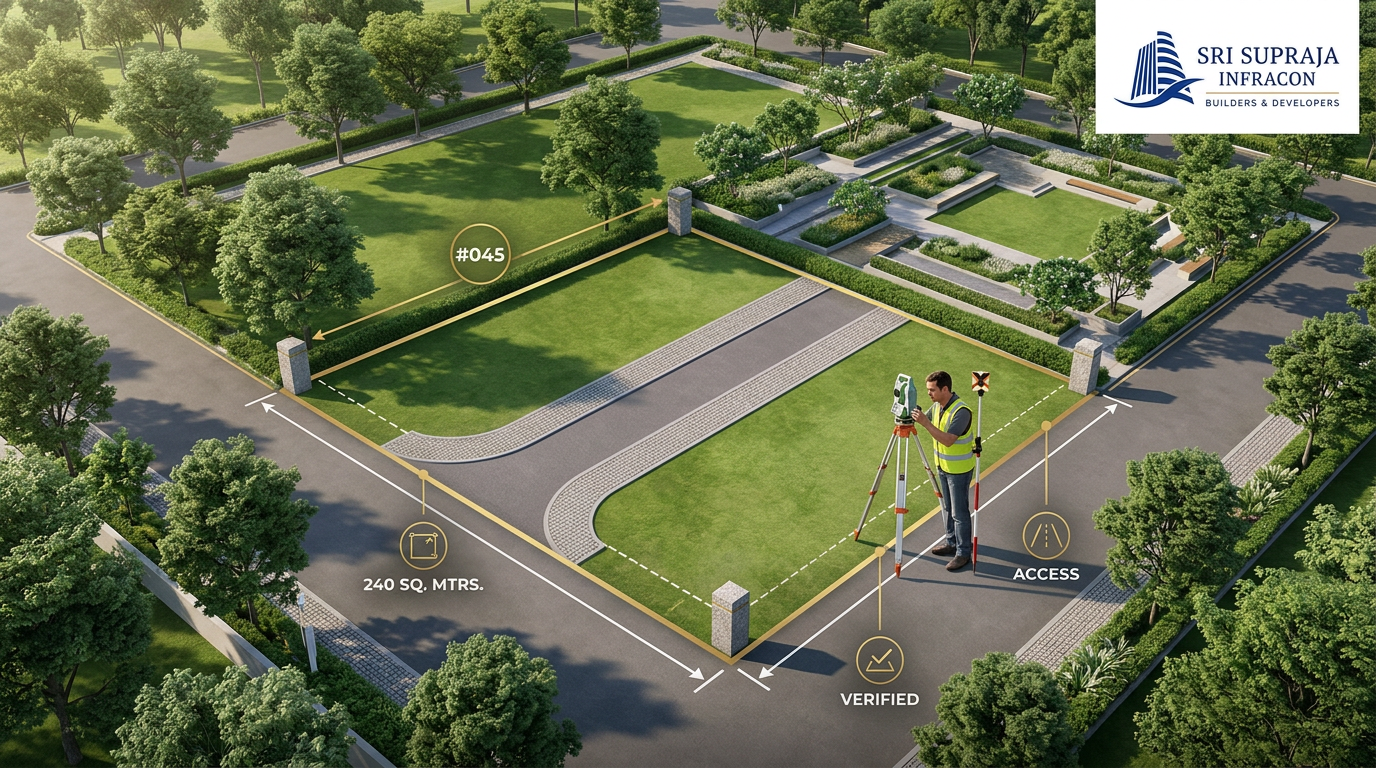
Survey number and boundary verification guide before buying a plot

Physical Site Verification

A physical site visit helps confirm whether the documents match reality. During the visit, check approach road, internal roads, plot marking, boundary stones, neighboring land, road width, and nearby development. A site visit should support the documents, not contradict them.


Check Revenue and Mutation Records

Revenue records help confirm how land details are recorded in government systems. Depending on the location and land type, these records may show ownership, classification, extent, possession details, and changes over time.

Mutation records are also important because they show whether the property has been updated in the name of the current owner in revenue records. Mutation does not replace a registered sale deed, but it is a supporting record that helps establish continuity.

Buyers should review revenue and mutation records to check:

  • Whether the current owner's name appears correctly
  • Whether the land extent matches registered documents
  • Whether land classification is suitable for the intended use
  • Whether there are any inconsistencies in survey details
  • Whether taxes or dues are pending, where applicable

If the land use, classification, or ownership name does not match other records, the buyer should get professional advice before moving forward.


Confirm Seller Authority

The person showing the plot is not always the person legally authorized to sell it. Before making payment, confirm whether the seller is the owner, authorized signatory, power of attorney holder, developer, or representative.

If the seller is an individual, verify identity documents and ensure the name matches ownership records. If the seller is a company, partnership, or development firm, check authorization documents and signatory authority. If a power of attorney is involved, verify whether it is valid, registered where required, and still in force.

Ask these questions:

  • Who legally owns the land?
  • Who is signing the agreement?
  • Does the signatory have legal authority?
  • Is the power of attorney valid?
  • Are there multiple owners or family members involved?
  • Have all necessary parties consented to the sale?

Did You Know? A land sale can become complicated when one co-owner sells without proper consent from others. If the land has multiple owners, all necessary parties should be properly represented in the transaction.


Red Flags in Land Ownership Verification

Some warning signs should make buyers slow down immediately. A genuine seller or developer should be able to provide documents and explain them clearly. If basic ownership questions are avoided, the buyer should not rush.

Common red flags include:

  • Seller refuses to share title documents before payment
  • Only photocopies are shown without proper explanation
  • Survey number differs across documents
  • Current seller's name does not appear in ownership records
  • Link documents are missing
  • Encumbrance certificate shows unexpected transactions
  • Boundaries on-site do not match documents
  • Power of attorney is unclear or outdated
  • Multiple sellers give different answers
  • Immediate payment pressure is created before verification

These signs do not always mean the property is unsafe, but they do mean the buyer should verify carefully before making any commitment.


Step-by-Step Land Ownership Verification Checklist

Use this practical checklist before buying a plot:

  • Collect title deed, sale deed, and link documents.
  • Check the current owner's name in all records.
  • Verify the chain of title from previous owners.
  • Review the encumbrance certificate.
  • Match survey number across all documents.
  • Confirm plot number and extent in approved layout.
  • Check boundaries during a physical site visit.
  • Review revenue and mutation records where applicable.
  • Confirm seller identity and authority.
  • Check power of attorney, if involved.
  • Verify layout approval and land use.
  • Read the agreement of sale carefully before signing.
  • Take legal opinion before paying a major amount.

This checklist is useful for first-time plot buyers, families investing savings, NRIs, and investors comparing multiple plotted developments.


How This Guide Connects With Your Buying Journey

This article is part of the Sri Supraja Infracon Investor Knowledge Center. If you are at the beginning of your plot buying journey, start with Common Mistakes to Avoid When Buying a Plot. Then read the Plot Buying Checklist for a broader step-by-step guide.

To understand documents in detail, read Documents Required Before Buying a Plot in Telangana. For approval-related clarity, continue with HMDA vs DTCP vs RERA.

If you are comparing planned plotted developments, you can also explore Sri Supraja Infracon projects and growth-focused communities such as Supraja IRIS.


Frequently Asked Questions

How do I verify land ownership before buying a plot?

Verify title deed, sale deed, link documents, encumbrance certificate, survey number, revenue records, mutation records, seller identity, and physical boundaries. It is also advisable to get legal opinion before payment.

Is title deed enough to confirm ownership?

No. A title deed is important, but buyers should also check sale deed, link documents, encumbrance certificate, revenue records, survey details, and seller authority.

Why is encumbrance certificate important?

An encumbrance certificate helps identify registered transactions and liabilities such as sale, mortgage, release, or other recorded entries during a specific period.

What is a survey number in land records?

A survey number identifies a specific land parcel in government records. Buyers should ensure the survey number matches across documents, layout plan, and the actual site.

Should I check boundaries before buying a plot?

Yes. Boundary verification helps confirm whether the physical plot matches the registered documents and approved layout. It also reduces future disputes with neighboring landowners.

Can I buy land through power of attorney?

It depends on the validity and scope of the power of attorney. Buyers should verify whether the document is valid, properly executed, and legally sufficient for the transaction.

Should I take legal advice before buying a plot?

Yes. A property lawyer can identify missing documents, ownership gaps, unclear clauses, and approval-related issues before payment or registration.


Final Thoughts on How to Verify Land Ownership Before Buying a Plot

Understanding how to verify land ownership before buying a plot helps buyers move from assumption to confidence. A safe plot purchase is not based only on location, price, or future appreciation. It depends on clear ownership, proper documents, accurate survey details, seller authority, and physical verification.

Before you pay a booking amount or sign an agreement, take time to review title deed, sale deed, link documents, encumbrance certificate, revenue records, survey number, and boundaries. If anything is unclear, ask questions and get professional guidance.

For buyers exploring thoughtfully planned plotted developments, Sri Supraja Infracon focuses on transparency, location potential, and investor confidence. You can explore our projects or connect with our team for guidance on your next property decision.

Explore Premium Projects

Supraja IRISBridge CountySindhu SarovarView All Projects

Related Blogs

HMDA vs DTCP vs RERA: Which Approval Matters When Buying a Plot?

Before buying a plot, every buyer should understand the difference between HMDA approval, DTCP approval, and RERA registration. This guide explains what each one means and how to verify approvals safely.

Documents Required Before Buying a Plot in Telangana

Before buying a plot, every buyer should verify ownership records, sale deed, link documents, encumbrance certificate, layout approval, survey number, and payment terms. This guide explains the important documents required before buying a plot in Telangana.

Plot Buying Checklist: 20 Things Every Buyer Should Verify Before Investing

A practical plot buying checklist helps buyers verify legal documents, approvals, location, infrastructure, developer credibility, and total costs before investing in residential plots or open plots.

Looking for DTCP & RERA Approved Plots?

Explore premium plotted developments by Sri Supraja Infracon across Hyderabad growth corridors.

Explore ProjectsSchedule Site Visit