Underground Infrastructure in Modern Gated Communities
Underground Infrastructure in Modern Gated Communities explains power, drainage, water and utility planning buyers should inspect before choosing a plot.
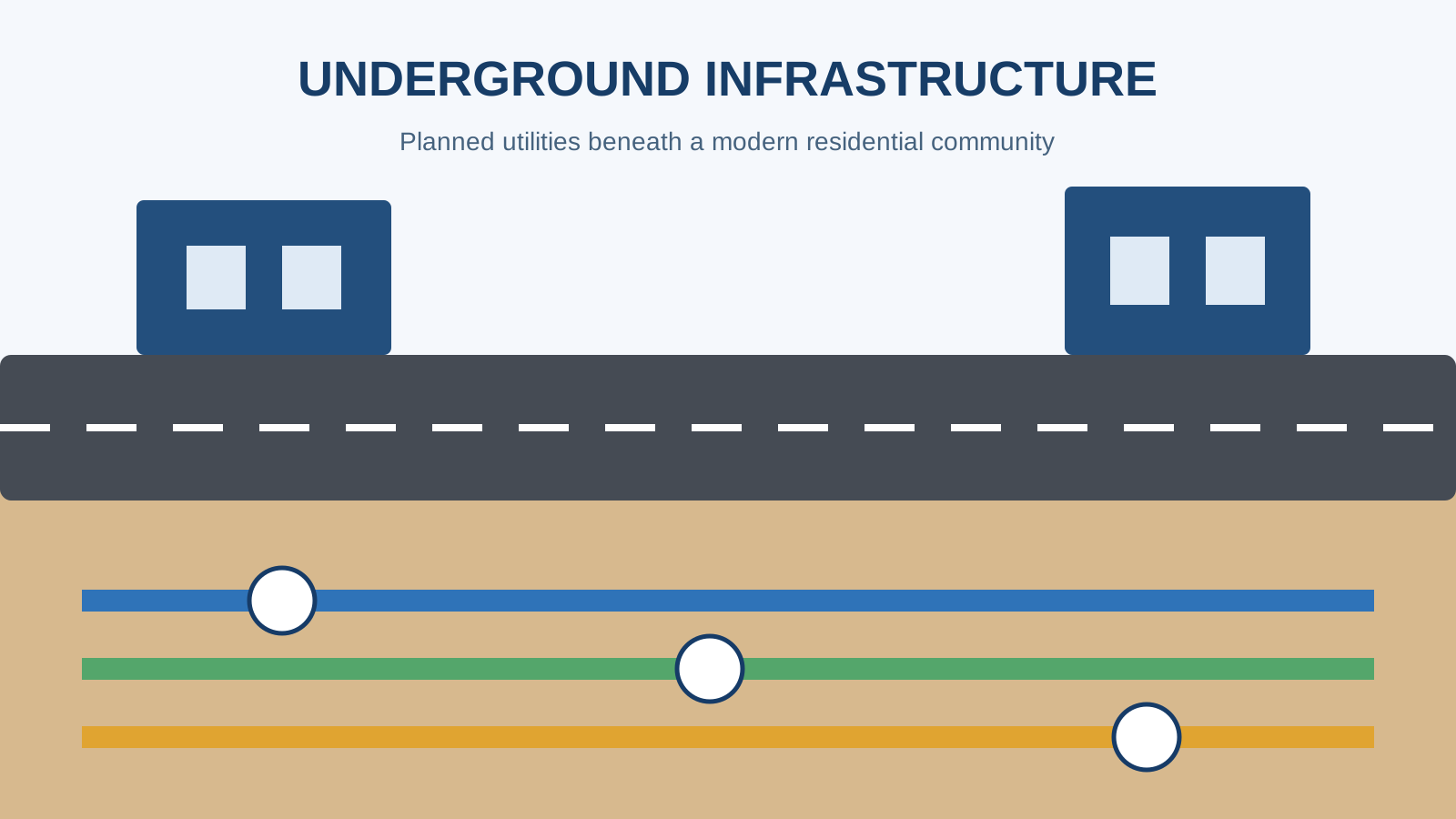
Table of Contents
Underground Infrastructure in Modern Gated Communities is easy to overlook because most of it is hidden after development is completed. Buyers naturally notice entrance gates, roads, landscaping and amenities first, but the networks below the surface can have an equally important effect on day-to-day usability and future maintenance.
A well-planned plotted layout should consider how electricity, water, storm-water movement, sewerage where applicable and communication services are routed, accessed and maintained. Buyers do not need to become engineers, but they should know what questions to ask before making a decision.
Quick Summary
- Underground services can reduce visual clutter and protect utility corridors.
- Good infrastructure requires proper engineering, not simply buried pipes or cables.
- Maintenance chambers and access points remain important.
- Drainage and water networks should be studied together with road levels.
- Buyers should verify completed work and approved plans rather than relying only on brochures.
Why Underground Infrastructure in Modern Gated Communities Matters
Residential plots are long-term assets. A buyer may construct several years after purchase, so infrastructure that functions reliably and can be maintained without repeatedly disturbing roads becomes valuable. Proper utility planning also makes streets cleaner by reducing exposed cables, random trenches and unplanned service crossings.
This does not mean every underground system is automatically superior. Design quality, material specifications, installation, capacity and maintenance access matter just as much as whether a service is above or below ground.
Underground Electrical Distribution
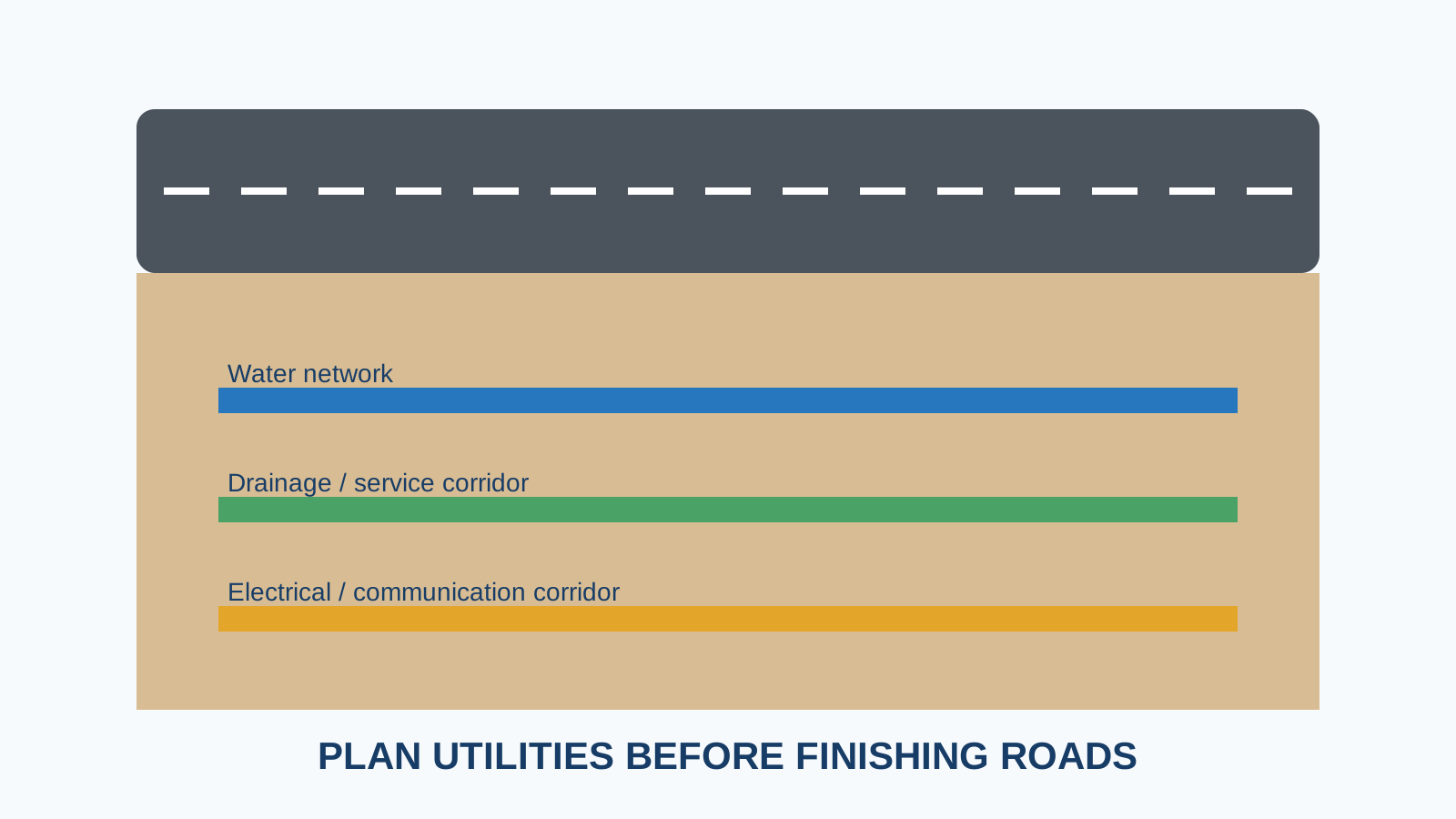
Where electrical distribution is designed underground, cables are normally routed through planned corridors with suitable protection and access arrangements. Buyers should ask which parts of the system are actually underground, whether the work is complete, and who will maintain it after handover.
Do not assume that the phrase underground electricity means every component is invisible. Transformers, feeder pillars, meters and safety equipment may still require accessible locations.
Water Supply Networks
A plotted development should have a clear strategy for water storage, distribution and individual plot connections where provided. Ask about the source, storage arrangements, distribution lines and responsibility for future operation. A pipe network alone does not guarantee dependable supply.
Storm-Water Drainage
Drainage deserves special attention because water follows levels, not marketing plans. Road gradients, plot levels, collection points and discharge routes must work together. During a site visit, observe whether roads have a visible slope and whether water has a planned route away from plots and common areas.
This subject connects directly with our guide on road width and property value, because road design is more than the width shown on a layout drawing.
Sewerage and Wastewater Planning
Wastewater arrangements differ by project and location. Buyers should verify what is approved and provided for the specific layout. If a central system is proposed, understand its status and maintenance model. If individual solutions are expected, confirm how that affects future construction.
Maintenance Access Is Essential
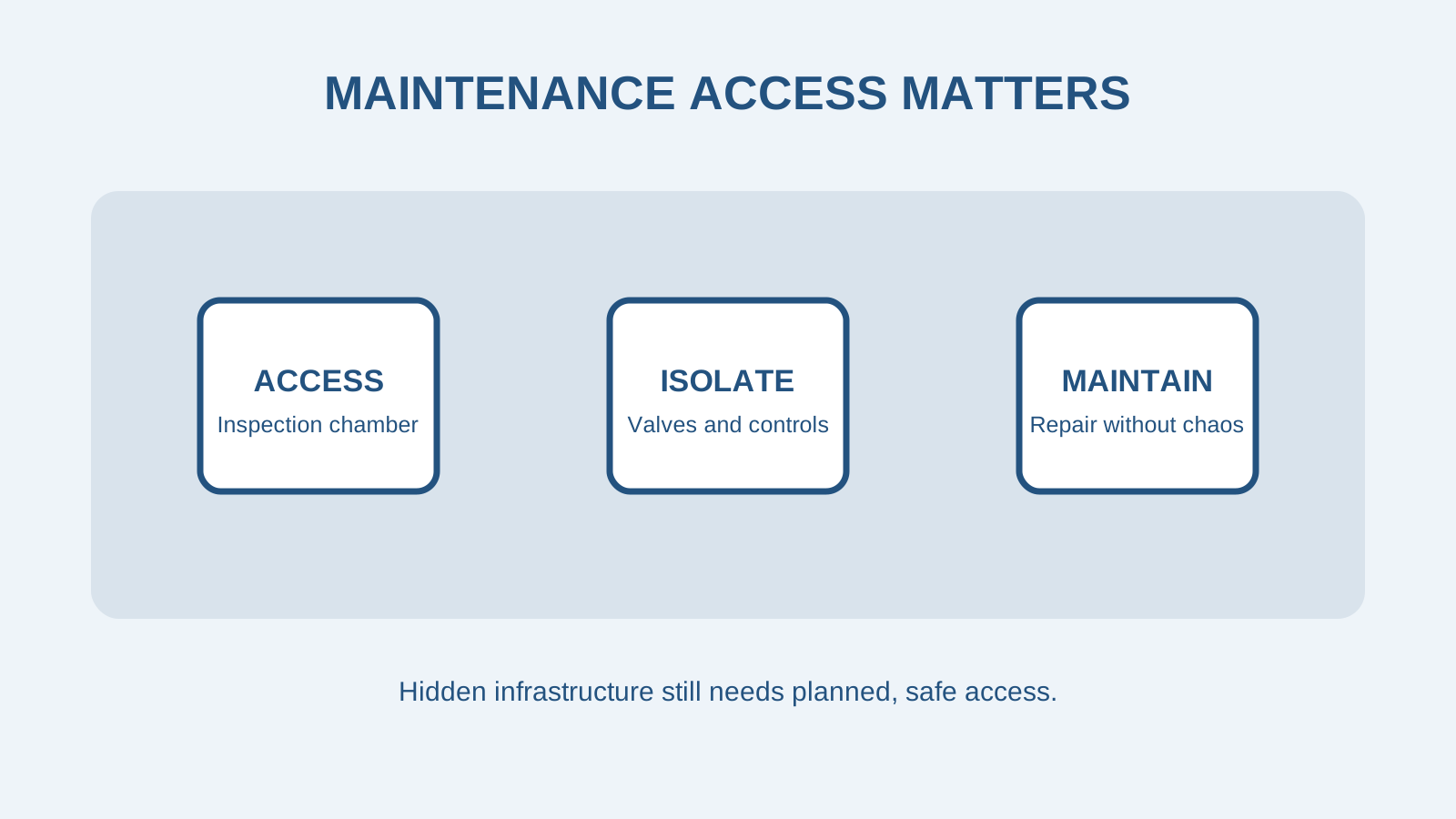
One of the most important signs of thoughtful infrastructure is maintainability. Inspection chambers, valve points and utility access should allow repairs without unnecessary excavation. Hidden infrastructure that cannot be accessed efficiently can create expensive problems later.
What Buyers Should Check During a Site Visit
- Which utilities are completed and which are only proposed?
- Are utility corridors visible on approved drawings?
- How are individual plots connected?
- Where does storm water discharge?
- Are maintenance chambers accessible?
- Will future repairs require cutting finished roads?
- Who will operate and maintain common infrastructure?
Infrastructure Buyer Checklist
First verify the project and layout documentation. Then compare the approved plan with what exists on site. Review road levels, plot levels and utility access. Ask for technical clarification when a feature is important to your decision. Buyers can also read our plot layout map guide and plot buying checklist before a site visit.
Frequently Asked Questions
Are underground utilities always better?
Not automatically. Their value depends on engineering, installation quality, capacity and maintenance access.
Does underground electricity mean there are no electrical structures?
No. Transformers, panels, meters and other equipment may still require accessible locations.
Why should buyers check drainage before buying a plot?
Poor drainage can affect roads, common areas and individual plots, especially during heavy rain.
Should infrastructure be checked only after development is complete?
No. Buyers should understand both the approved plan and the current stage of execution.
Can a buyer ask for infrastructure details?
Yes. Important project claims should be clarified through available approvals, plans and project information.
Final Thoughts on Underground Infrastructure in Modern Gated Communities
Underground Infrastructure in Modern Gated Communities should be evaluated as a complete system rather than a premium-sounding feature. When utilities, drainage, roads and maintenance access are planned together, the result can be a cleaner and more practical residential environment. The strongest buying decision combines visible site inspection with document verification and realistic understanding of what has actually been completed.
Explore Premium Projects
Related Blogs
Rainwater Drainage Planning in Residential Layouts
Learn how road gradients, plot levels, drains and discharge paths work together to manage rainwater in a residential plotted layout.
Weekend Home Investment Guide: What Plot Buyers Should Consider
A weekend home can combine personal use with long-term property ownership, but buyers should evaluate access, infrastructure, maintenance and future usability carefully.
Regular vs Irregular Plot Shapes Explained
Compare regular and irregular plot shapes based on buildable area, frontage, parking, setbacks, construction and future usability.
Looking for DTCP & RERA Approved Plots?
Explore premium plotted developments by Sri Supraja Infracon across Hyderabad growth corridors.