How to Choose the Right Plot Size for Your Family
Learn how to choose the right plot size for your family by comparing space, frontage, parking, future expansion and budget before buying land.

Table of Contents
How to Choose the Right Plot Size for Your Family starts with understanding how the land must support everyday living, future construction, parking, open space and changing family needs. A plot that looks sufficient during a site visit can feel restrictive later if the home plan, setbacks and long-term requirements were not considered before purchase.
The best decision is not automatically the biggest plot. It is the plot that provides a workable balance between budget, usable dimensions, location, infrastructure and the type of home the family expects to build.
Quick Summary
- A compact family may be comfortable with a well-planned plot from about 150 to 180 square yards.
- Families seeking parking, a garden or a larger floor plan may prefer around 200 to 250 square yards.
- Joint families, premium villas and future expansion usually require more land.
- Frontage, depth and shape can matter as much as the total area.
- Choose according to the home you may need in ten years, not only the home you need today.
Why How to Choose the Right Plot Size for Your Family Matters
Plot size directly influences the building footprint, circulation, parking arrangement, ventilation, landscaping and scope for future changes. A larger plot can provide flexibility, but it also increases acquisition cost, registration expense, maintenance and future construction cost.
A smaller plot can be efficient when its width, depth and road access support a sensible plan. This is why buyers should evaluate the complete residential land parcel instead of comparing only the number of square yards.
Start With Your Family Plan
Before comparing plot options, write down the spaces your family genuinely expects to use. This prevents a sales offer, facing preference or price difference from becoming the only basis of the decision.
- Current number of family members
- Children or elders who may live in the home later
- Need for one or two car parks
- Home office, guest room or rental portion
- Ground-floor bedroom for parents
- Garden, sit-out, utility and storage requirements
- Possibility of building an upper floor in the future
A family planning a compact weekend home may need less built-up area than a family planning a permanent duplex. The same plot size can therefore suit one buyer and restrict another.
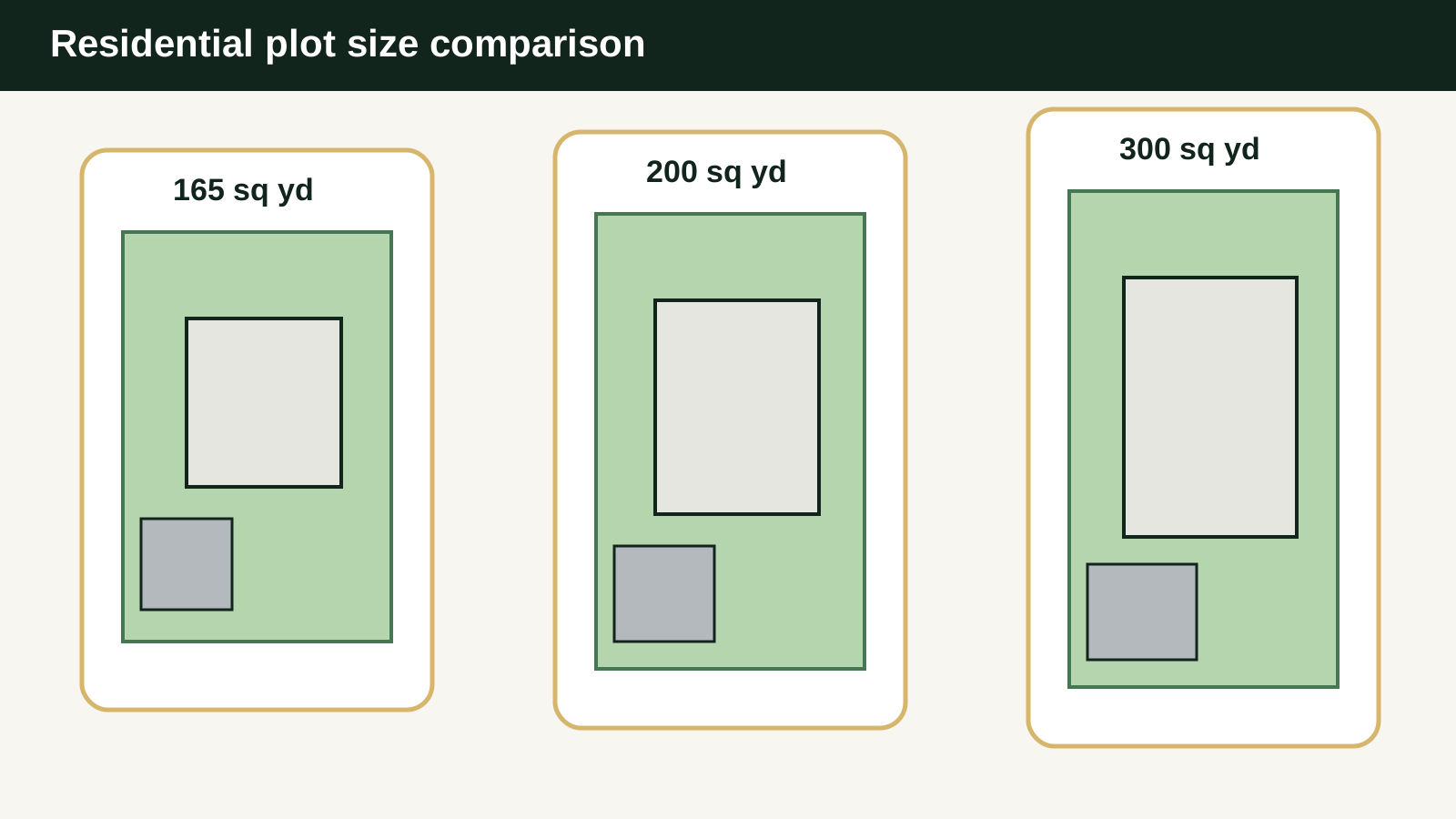
Common Residential Plot Sizes and Their Practical Uses
Plot availability varies by project and location, but the following broad guide helps buyers understand how different sizes may be used. Final construction depends on local rules, setbacks, road width, plot dimensions and professional design.
How to Choose the Right Plot Size for a Small Family
Plots around 150 to 180 square yards can work well for smaller families who prefer an efficient home, practical parking and manageable maintenance. A plot in this range may support a compact independent house or duplex when the frontage and depth are suitable.
A 165-square-yard option can be especially practical for buyers who want ownership without stretching the budget unnecessarily. The planning quality matters more than filling every available part of the site with construction.
Plot Size for a Growing Family
Around 200 to 250 square yards generally gives more flexibility for a family residence. It can make it easier to accommodate parking, a ground-floor bedroom, a wider living area and useful outdoor space.
This range is often a balanced home-site choice for buyers who expect their requirements to change but do not need a very large property.
Larger Plots for Joint Families and Premium Homes
Plots above 300 square yards can support larger villas, broader setbacks, multiple parking spaces, gardens and future expansion. They may suit joint families or buyers who place a high value on privacy and outdoor living.
However, buyers should compare the extra land cost with the actual lifestyle benefit. Purchasing unused area without a clear purpose can increase the total investment without improving the home meaningfully.
Frontage and Depth Can Matter More Than Total Area
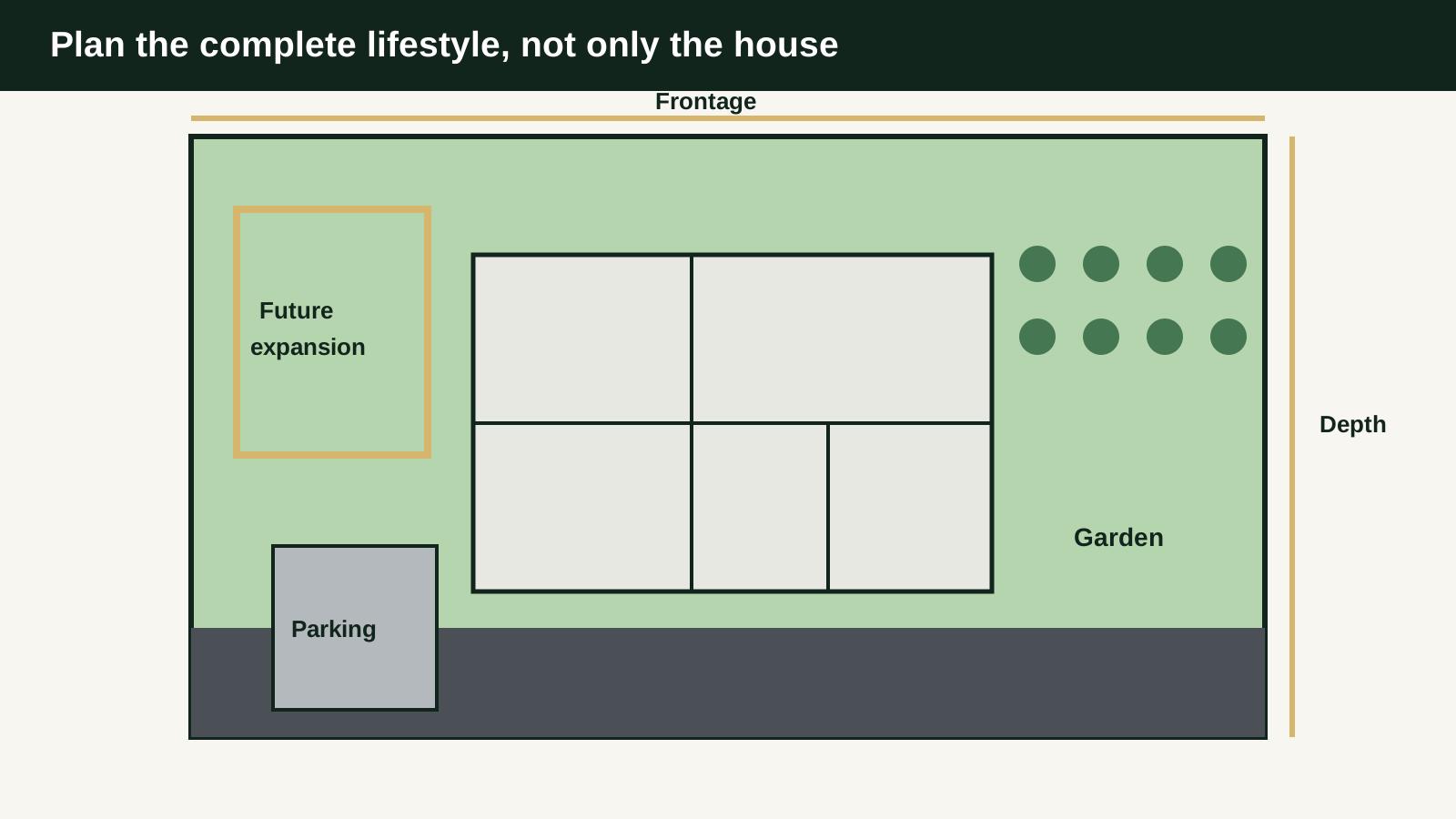
Two plots with the same area can provide very different planning possibilities. A plot with balanced width and depth may allow a better entrance, parking arrangement and room layout than a narrow plot with excessive depth.
Frontage influences vehicle access, elevation design and the amount of street-facing space. Depth influences room sequencing, rear open area and ventilation. Buyers should therefore compare dimensions on the approved layout, not only the total square yards.
Our guide on how to read a plot layout map explains how to check dimensions, internal roads and surrounding features before booking.
Account for Setbacks and Building Rules
The complete plot area is not the same as the buildable area. Applicable setbacks, open spaces, parking and building rules reduce the footprint available for construction.
Buyers should avoid estimating room sizes by looking only at the boundary. Ask an architect to prepare a basic feasibility sketch using the actual dimensions and current planning requirements.
For regulatory context, buyers can refer to the official Telangana DTCP portal and Telangana RERA portal.
Plan Parking Before Finalising the Plot
Parking is frequently treated as an afterthought. A family that currently owns one vehicle may require two spaces later, while guests, scooters and charging points can create additional needs.
- Check whether the entrance permits comfortable turning.
- Keep parking independent from the main pedestrian entrance where possible.
- Consider whether a future second floor will add another vehicle.
- Review the road width and approach to the plot.
The article on how road width affects property value provides additional guidance on access, movement and frontage planning.
Open Space and Daily Comfort
Open space improves light, ventilation and everyday usability. Even a modest garden, utility strip or sit-out can make an independent home feel more comfortable.
Families should decide which outdoor uses matter most. Some may prefer a wider front setback for parking and landscaping, while others may value a private rear garden or internal courtyard.
A suitable building plot is therefore one that supports the desired balance between construction and breathing space.
Allow for Future Expansion Without Overbuying
A practical plot should support reasonable future changes. These may include an extra bedroom, home office, upper floor, rental unit or accessible ground-floor accommodation for elders.
Future expansion should be discussed at the initial planning stage because the staircase, columns, parking and utility lines may need to support it. At the same time, avoid buying substantially more land merely because expansion is possible. The decision should reflect a realistic family plan.
Match Plot Size With the Complete Budget
The plot price is only one part of the financial commitment. Buyers should account for registration, applicable charges, legal verification, maintenance and eventual construction.
A larger plot may require a larger home, longer boundary wall, more paving and greater upkeep. A carefully chosen medium-sized plot can sometimes leave more funds available for construction quality and interiors.
The strongest property footprint is the one that remains financially comfortable after the purchase, not only on booking day.
Do Not Sacrifice Location and Project Quality Only for More Area
Buying a larger plot in a weak or poorly planned location is not automatically better than buying an appropriately sized plot in an organised development. Access, approvals, infrastructure, surrounding growth and developer credibility remain essential.
Review the HMDA vs DTCP vs RERA guide to understand the role of approvals and registration. Buyers comparing plot positions should also read the guides on plot orientation and corner plots.
Common Mistakes When Selecting Plot Size
- Choosing only by square yards without checking dimensions
- Planning only for current family size
- Ignoring setbacks and buildable area
- Forgetting parking and vehicle turning
- Buying excessive area because of a temporary offer
- Compromising location or approvals for a bigger plot
- Not reviewing the approved layout and road network
- Assuming one standard size suits every family
Practical Buyer Checklist
- List the rooms and outdoor areas required now.
- Estimate needs for the next ten to fifteen years.
- Check the exact frontage, depth and shape.
- Confirm road width and access.
- Prepare a simple architect feasibility plan.
- Allow for setbacks, ventilation and utilities.
- Plan present and future parking.
- Compare total purchase and construction budgets.
- Verify approvals and project documentation.
- Visit the plot at different times of the day.
A Practical Family Example
Consider a family of four that expects parents to stay occasionally and may add a home office later. A compact plot may meet immediate needs, but a slightly larger and well-proportioned option could allow one ground-floor bedroom, one car park, a small sit-out and future upper-floor construction.
The correct answer depends on dimensions and budget. The family should compare a basic floor-plan sketch on each shortlisted plot rather than selecting only by price per square yard.
Frequently Asked Questions
What is the best plot size for a family of four?
There is no universal size, but approximately 165 to 250 square yards can meet many family requirements depending on dimensions, setbacks, parking and the planned home.
Is 165 square yards enough for an independent house?
It can be sufficient for a well-planned compact home or duplex. The usable result depends on frontage, depth, local rules and the number of spaces required.
Is a bigger plot always better?
No. A bigger plot costs more to buy, secure and maintain. The right size should support the intended lifestyle while remaining financially comfortable.
Should frontage or depth be given priority?
Both matter. Balanced dimensions usually improve parking, elevation, circulation and room planning. An architect can compare the options using a basic layout sketch.
How much space should be left open?
The answer depends on applicable rules and family preferences. Buyers should allow required setbacks and consider ventilation, utility access, garden space and parking.
What plot size is suitable for a duplex?
Many duplex designs can work on medium-sized plots, but the ideal size depends on room count, parking, staircase position, setbacks and desired open space.
Should investors care about plot size?
Yes. Commonly usable sizes and practical dimensions may appeal to a broader future buyer base, although location, approvals and market demand remain equally important.
Where can buyers compare planned plot options?
Buyers can explore Sri Supraja Infracon projects and review developments such as Supraja IRIS, where available plot options can be considered alongside layout planning and future home requirements.
Final Thoughts
Choosing the right plot is a balance of present comfort, future flexibility, usable dimensions, project quality and affordability. The total area matters, but frontage, depth, road access and a realistic home plan often determine whether the land truly works for the family.
How to Choose the Right Plot Size for Your Family becomes easier when the decision begins with a practical building plan and a long-term family budget rather than a single number of square yards.
Explore Premium Projects
Related Blogs
What Is Plot Frontage and Why Does It Matter?
Understand what plot frontage means and how it influences parking, access, elevation design, ventilation and the practical use of a residential plot.
Regular vs Irregular Plot Shapes Explained
Compare regular and irregular plot shapes based on buildable area, frontage, parking, setbacks, construction and future usability.
Rainwater Drainage Planning in Residential Layouts
Learn how road gradients, plot levels, drains and discharge paths work together to manage rainwater in a residential plotted layout.
Looking for DTCP & RERA Approved Plots?
Explore premium plotted developments by Sri Supraja Infracon across Hyderabad growth corridors.