How Property Appreciation Works
How Property Appreciation Works explains how location, infrastructure, demand, approvals, project quality and holding period influence long-term land value.
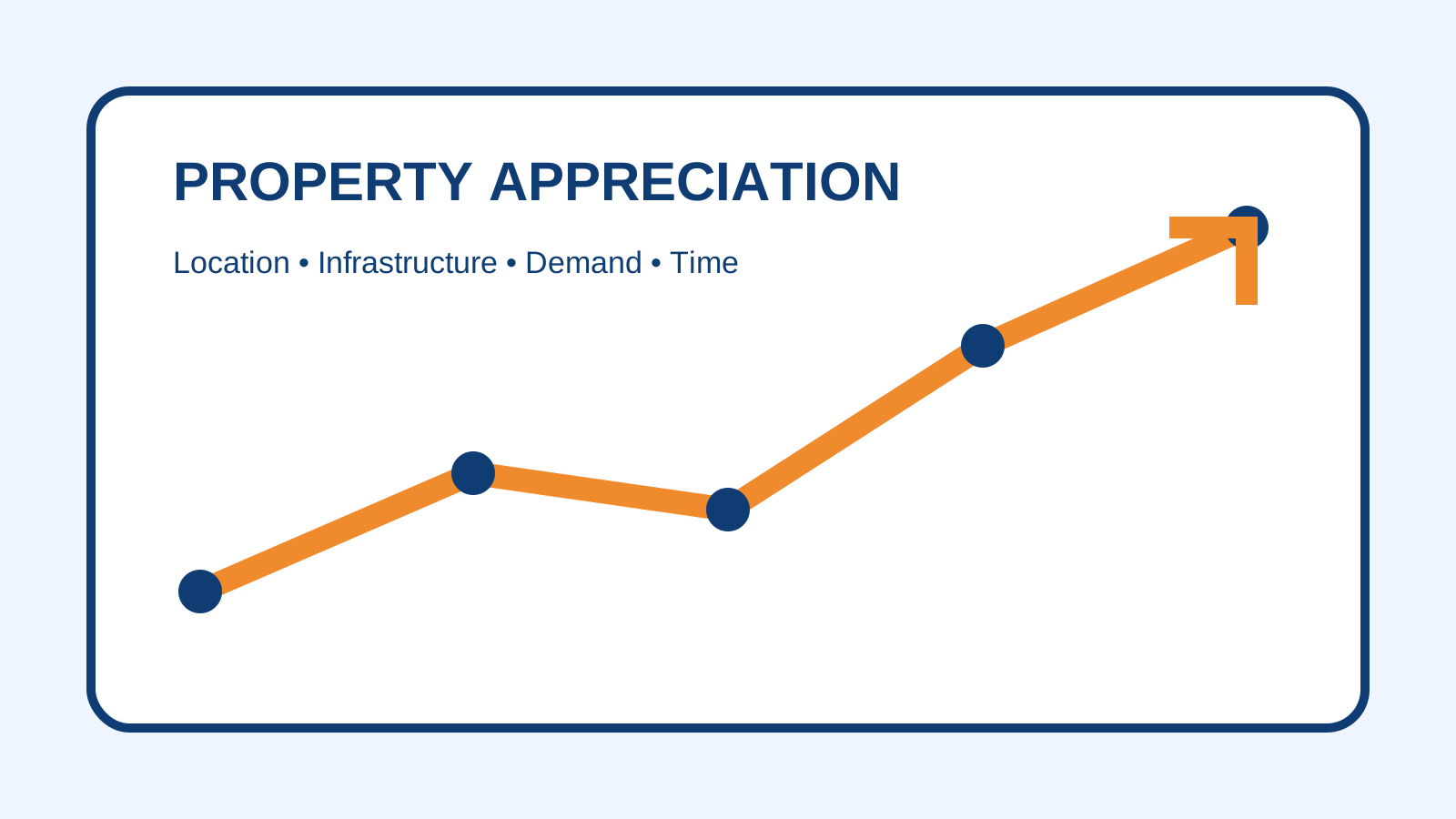
Table of Contents
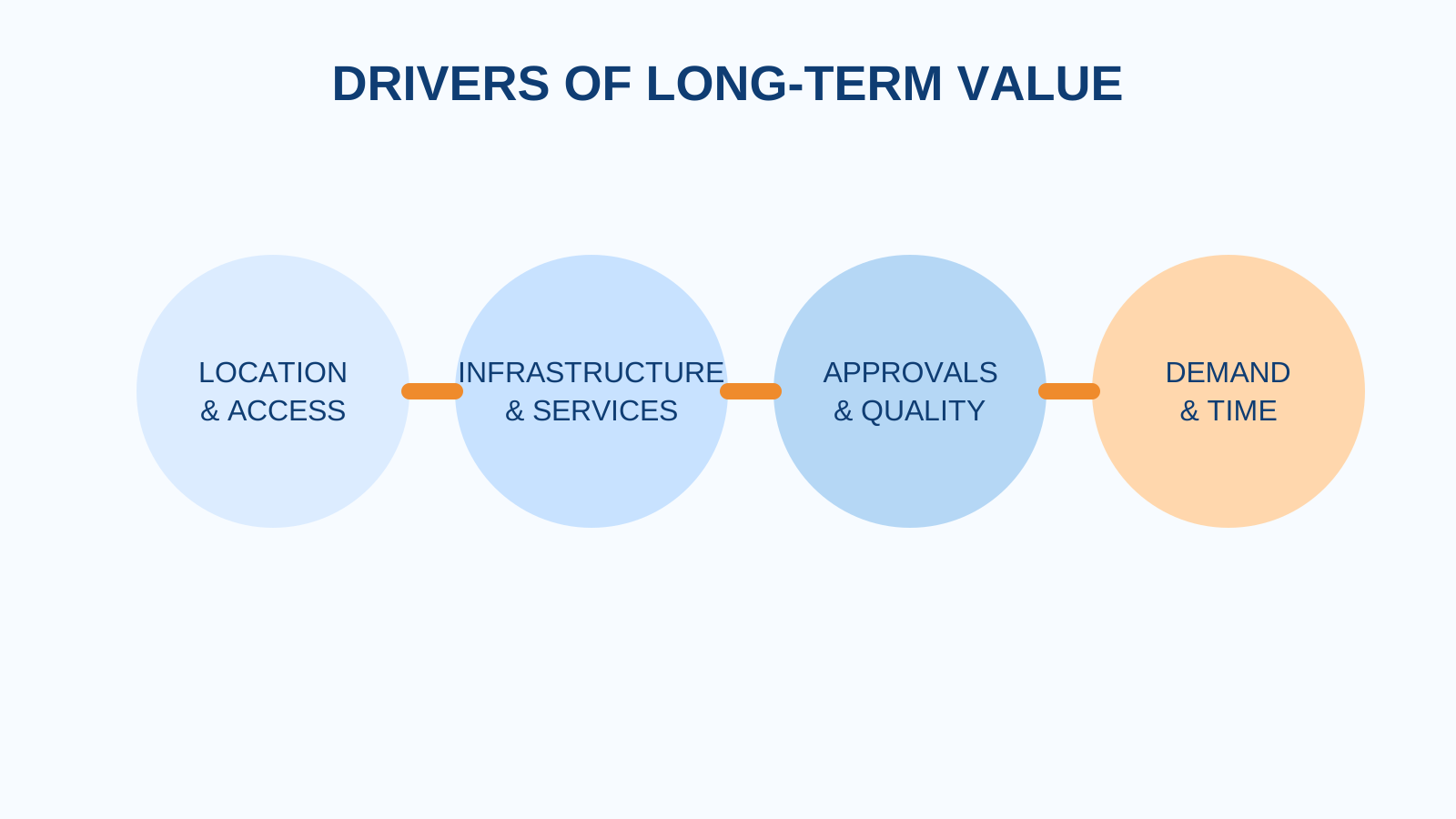
How Property Appreciation Works becomes clearer when buyers understand that land value does not rise because of one promise or one nearby landmark. Appreciation develops through the interaction of location, access, infrastructure, approvals, demand, project quality, market conditions and time.
Property can gain value, remain flat or underperform. A responsible investment decision therefore studies evidence and risk instead of assuming that every plotted development will deliver the same result.
Quick Summary
- Appreciation means an increase in market value over time.
- Location and infrastructure are important, but demand must also develop.
- Approvals, title clarity and project execution improve buyer confidence.
- Short-term price movement is different from sustainable long-term growth.
- No developer or advisor can guarantee future appreciation.
Why How Property Appreciation Works Matters
Buyers often hear claims such as ‘prices will double’ or ‘this area is the next hotspot.’ Such statements are not enough. A stronger analysis asks what will create genuine future demand and whether the area is progressing beyond marketing expectations.
Understanding the drivers of land value growth helps investors compare opportunities calmly and avoid decisions based only on urgency.
Location and Connectivity
Location remains a major factor because it influences convenience, access and future use. However, distance alone does not decide value. The quality of the route, travel time, road development and connection to employment, education and services also matter.
- Highway and arterial-road access
- Connectivity to employment areas
- Proximity to institutions and services
- Reliable approach roads
- Integration with wider growth corridors
Buyers should verify the actual route and surroundings through a site visit rather than depending only on map distances.
Infrastructure and Public Investment
Roads, utilities, transport links and public facilities can improve accessibility and make an area more usable. Yet an announced project and a completed project are not the same.
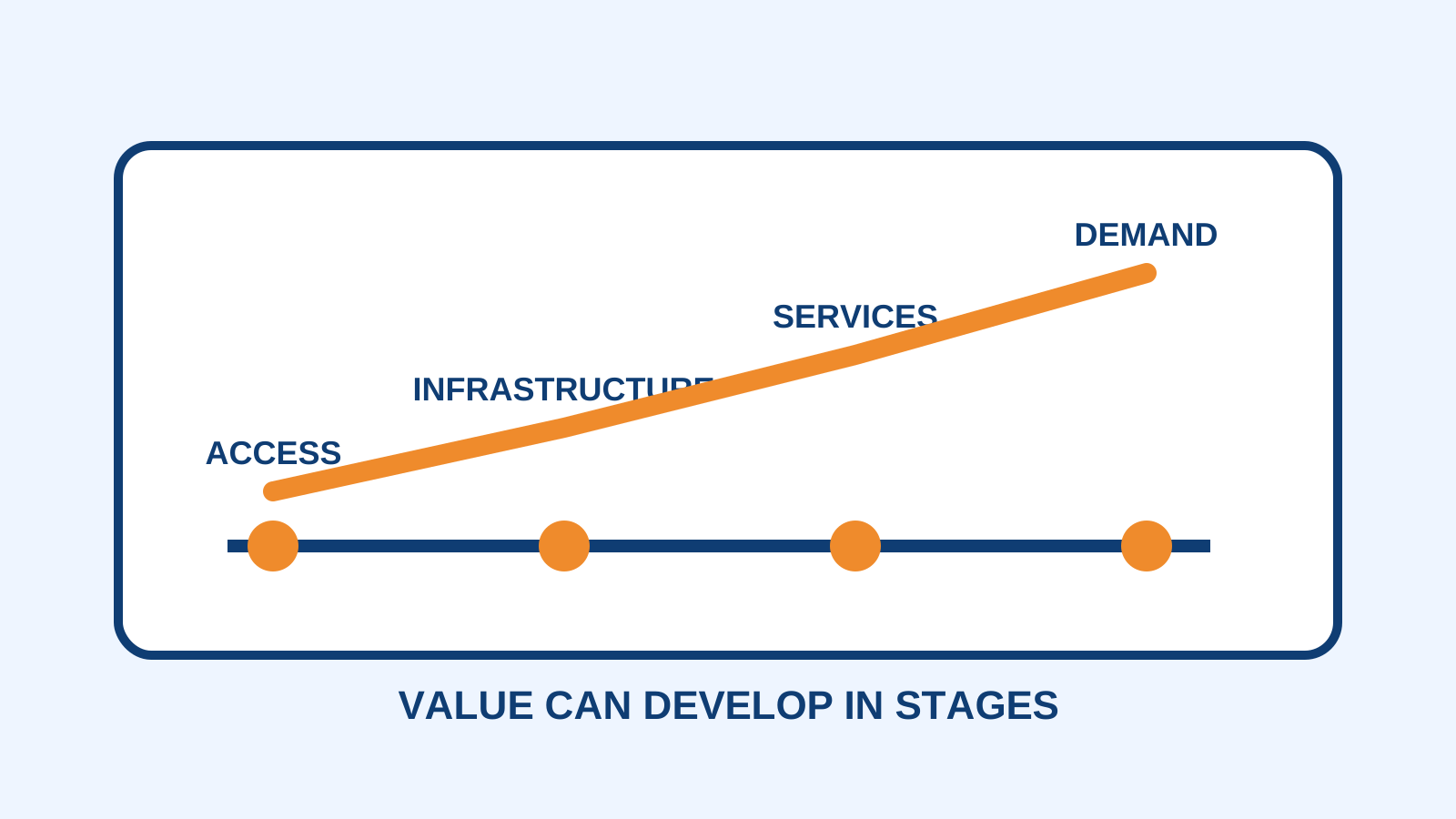
Investors should distinguish between proposed, approved, under-construction and operational infrastructure. Sustainable appreciation is more likely when development progresses and real usage increases.
Demand and Actual Use
Prices become more sustainable when genuine buyers want to live, build, operate businesses or hold property in the area. Transaction activity based only on speculation can be less stable.
Useful indicators include housing development, institutional activity, commercial services, construction, registrations and repeated buyer interest. This broader market value increase is stronger when it reflects actual use.
Approvals, Title and Project Quality
Clear documentation and proper planning reduce uncertainty. Approved layouts, transparent title records, defined roads and visible infrastructure can support resale confidence.
Buyers can review our HMDA vs DTCP vs RERA guide and the Telangana plot-document checklist. Project information can also be checked through the official Telangana RERA portal.
Plot-Specific Factors
Even within the same project, plots can attract different levels of interest. Dimensions, shape, road access, frontage and location within the layout can affect usability.
- Balanced frontage and depth
- Regular shape
- Practical road access
- Suitable size for common buyer needs
- Relationship to open spaces, junctions and amenities
Related planning guides include choosing the right plot size, plot frontage and regular vs irregular plot shapes.
Holding Period and Market Cycles
Land investment often requires patience. Infrastructure, neighbourhood development and demand may take years to mature. Short-term price quotations can fluctuate, while actual resale value depends on what a buyer is willing and able to pay.
A sensible holding period should match the investor’s financial position. Money needed urgently should not be locked into an illiquid asset merely because future appreciation is expected.
How to Measure Appreciation
Appreciation can be measured by comparing the current realistic market value with the total original acquisition cost. The original cost should include registration and other direct purchase expenses, not only the quoted land price.
Investors should use verified transactions and comparable properties where possible. Asking prices are useful signals but do not always represent completed sale values.
Risks That Can Limit Appreciation
- Weak title or approval clarity
- Poor access or delayed infrastructure
- Excess supply without end-user demand
- Overpricing at the time of purchase
- Incomplete project development
- Economic or regulatory changes
- Difficulty finding a future buyer
A high advertised return cannot compensate for unresolved legal or access risk.
How Property Appreciation Works Buyer Checklist
- Study current access and nearby activity.
- Separate completed infrastructure from proposals.
- Verify title, approvals and layout planning.
- Compare realistic transaction values.
- Assess genuine end-user demand.
- Review the plot’s dimensions and usability.
- Choose a holding period that fits your finances.
- Avoid guaranteed-return claims.
Property Appreciation and Tax
A gain realised on transfer of property may have tax implications. The Income Tax Department explains that profit or gain arising from transfer of a capital asset is charged under capital gains, while the applicable treatment depends on current law and individual circumstances.
Owners should consult a qualified tax professional before a sale rather than using an old online example as a final calculation.
Frequently Asked Questions
What is property appreciation?
It is an increase in the market value of property over time.
Does land always appreciate?
No. Value can rise, remain flat or decline depending on location, demand, documentation, infrastructure and market conditions.
Which factor matters most?
No single factor is sufficient. Location, access, demand, approvals, usability and price at purchase should be studied together.
Do proposed infrastructure projects guarantee appreciation?
No. Proposed infrastructure may change or be delayed. Buyers should verify official status and assess current fundamentals.
How long should land be held?
The suitable holding period depends on the area’s development stage and the investor’s financial needs. Land is generally unsuitable for money required at short notice.
Can a developer guarantee returns?
No future return should be treated as guaranteed. Buyers should make decisions using evidence and independent judgment.
Final Thoughts on How Property Appreciation Works
Understanding How Property Appreciation Works helps investors focus on evidence instead of promises. Strong long-term potential usually comes from a sensible purchase price, clear documentation, practical access, improving infrastructure, genuine demand, usable plot characteristics and sufficient time.
Explore Premium Projects
Related Blogs
Weekend Home Investment Guide: What Plot Buyers Should Consider
A weekend home can combine personal use with long-term property ownership, but buyers should evaluate access, infrastructure, maintenance and future usability carefully.
How Road Width Affects Property Value in Residential Layouts
Learn how road width affects property value through access, connectivity, frontage planning and the overall quality of a residential layout.
Can a Resort-Style Plot Earn You Rental Income?
Explore whether resort-style plots near Hyderabad can generate rental income — from villa construction and holiday rentals to long-term ROI considerations.
Looking for DTCP & RERA Approved Plots?
Explore premium plotted developments by Sri Supraja Infracon across Hyderabad growth corridors.